Choosing Welding Cobots To Revolutionize Your Manufacturing Process
Robotics In the current manufacturing landscape, automation plays a crucial role in enhancing efficiency, reducing costs, and maintaining consistent quality. Welding cobots, or collaborative robots, integrate the precision of traditional industrial robots with the ability to work safely alongside human…
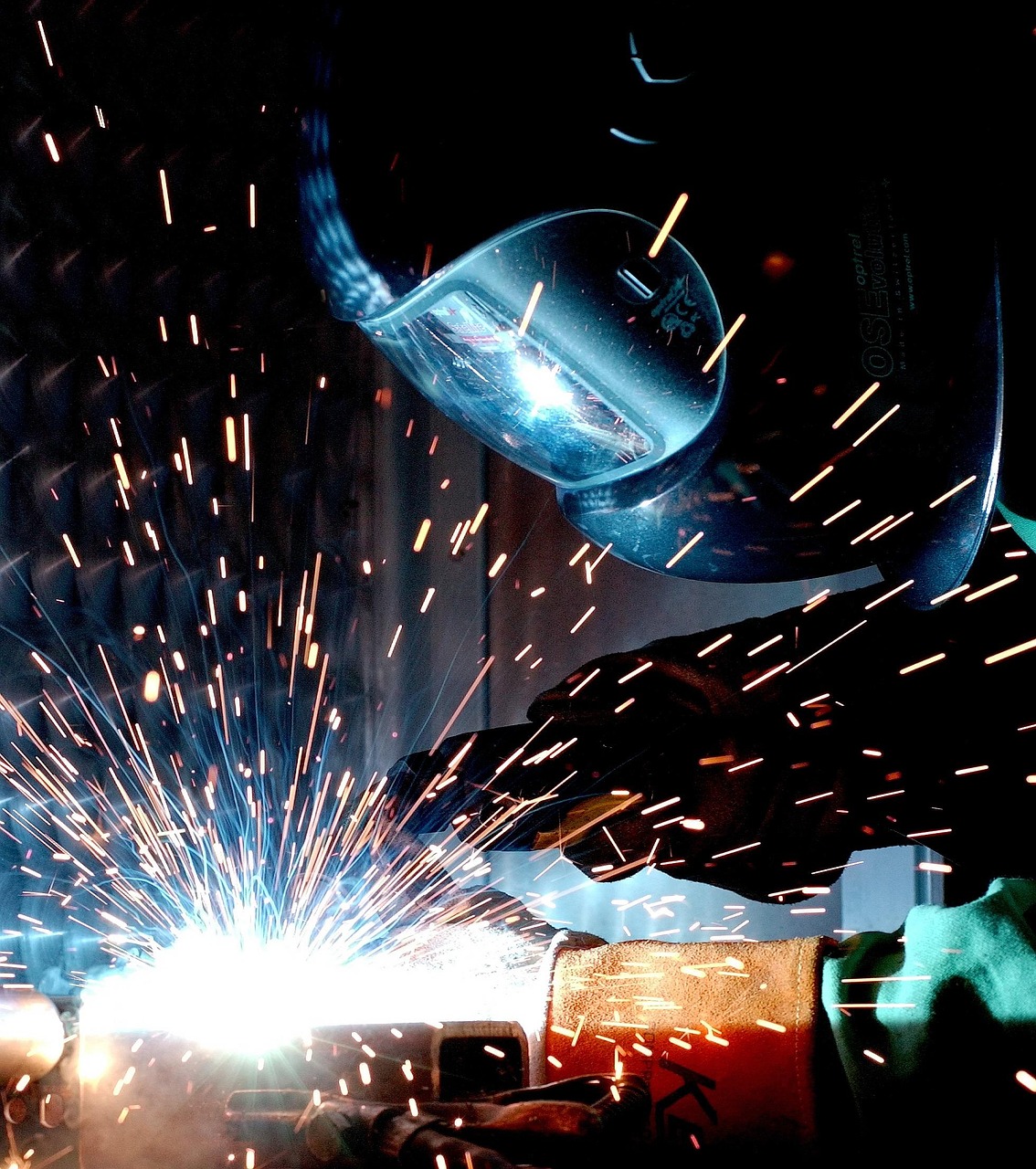
Robotics
In the current manufacturing landscape, automation plays a crucial role in enhancing efficiency, reducing costs, and maintaining consistent quality. Welding cobots, or collaborative robots, integrate the precision of traditional industrial robots with the ability to work safely alongside human operators.
What is a Welding Cobot?
A welding cobot is a robotic system designed to assist human operators in welding tasks. Unlike traditional robots that operate within safety enclosures, welding cobots can safely work in proximity to humans. They are characterized by their precision, flexibility, and ease of programming using hand-guided teaching or intuitive interfaces. These cobots expedite production and ensure consistent weld quality, allowing personnel to focus on more complex tasks.
Advantages of Welding Cobots
Increased Productivity and Efficiency
Welding cobots can operate continuously without fatigue, handling repetitive tasks while human workers concentrate on complex jobs, thus reducing cycle times and increasing production.
Consistent Weld Quality
These cobots deliver precise and repeatable welds, minimizing defects and rework while ensuring products adhere to high-quality standards.
Addressing Labor Shortages
By managing repetitive welding tasks, cobots ensure smooth and consistent production even amidst skilled welder shortages.
Enhanced Safety
Welding processes expose workers to heat, fumes, and repetitive motions. Cobots handle these hazardous tasks, reducing health risks and workplace injuries.
Cost-Effectiveness and Scalability
Cobots are affordable, easy to set up, and can scale as production demands increase.
Training and Adaptation Requirements
Operators need specific skills and qualifications to effectively integrate and operate welding cobots:
In the current manufacturing landscape, automation plays a crucial role in enhancing efficiency, reducing costs, and maintaining consistent quality.
- Completion of manufacturer-specific programming courses or e-learning modules.
- Hands-on welding experience, ideally over three years, to apply practical skills during automated processes.
- Understanding of safety standards and risk assessments for robotic welding.
- Proficiency with programming interfaces, such as teach pendants and hand-guiding techniques.
- Ability to integrate advanced tools like seam tracking systems and adaptive welding sensors.
- Knowledge of maintenance protocols for cobot reliability.
- Troubleshooting skills to quickly resolve operational issues.
- Commitment to continuous learning to stay updated with cobot technology advancements.
Considerations for Choosing a Welding Cobot
User Interface
Opt for cobots with intuitive interfaces that allow easy setup through touchscreens or mobile devices, minimizing the need for coding skills.
Flexibility
Choose cobots that support various welding methods such as MIG, TIG, and spot welding, with adequate reach and compatibility with existing equipment.
Installation and Maintenance
Look for cobots that are quick to install and maintain, with modular designs that simplify repairs and reduce downtime.
Consistent Results
Ensure cobots can maintain precision within ±0.1mm, with real-time monitoring and adaptive controls to ensure high-quality, repeatable welds.
Implementation Benefits
Precision
Cobots deliver accurate welds with consistent bead placement, reducing errors and material waste.
Productivity
Capable of achieving up to 90% arc-on time, cobots significantly enhance production efficiency and reduce downtime.
Worker Safety
By performing hazardous tasks, cobots reduce the exposure of workers to extreme conditions, enhancing workplace safety and reducing injury risks.
Challenges in Utilizing Welding Cobots
Despite their advantages, implementing welding cobots can present challenges such as:
Skilled Labor Shortages
Cobots can alleviate the burden on skilled welders by handling repetitive tasks and are operable by less experienced staff due to their user-friendly controls.
Integration with Existing Equipment
Older machinery may pose integration challenges; however, experienced integrators can facilitate smooth cobot implementation without disrupting production.
Initial Costs
Though cobots entail high initial costs, they offer long-term savings by improving productivity and reducing labor expenses.
Training
Adequate training is essential for staff to efficiently operate and maintain cobots, ensuring a smooth transition to automated welding.
Safety Compliance
Ensuring safety through features like collision detection and adherence to safety standards is vital for cobots operating close to human workers.
Conclusion
Welding cobots are transforming manufacturing by integrating precise automation with safe human collaboration. Selecting the appropriate cobot, ensuring user-friendliness, supporting multiple welding methods, and providing training are crucial for leveraging their full potential. When implemented strategically, welding cobots can reduce costs, enhance production, and create a safer workplace, offering a competitive advantage in the manufacturing industry.