Invisalign for Teens: Is It Really a Good Alternative to Metal Braces?
Health: Invisalign for Teenagers
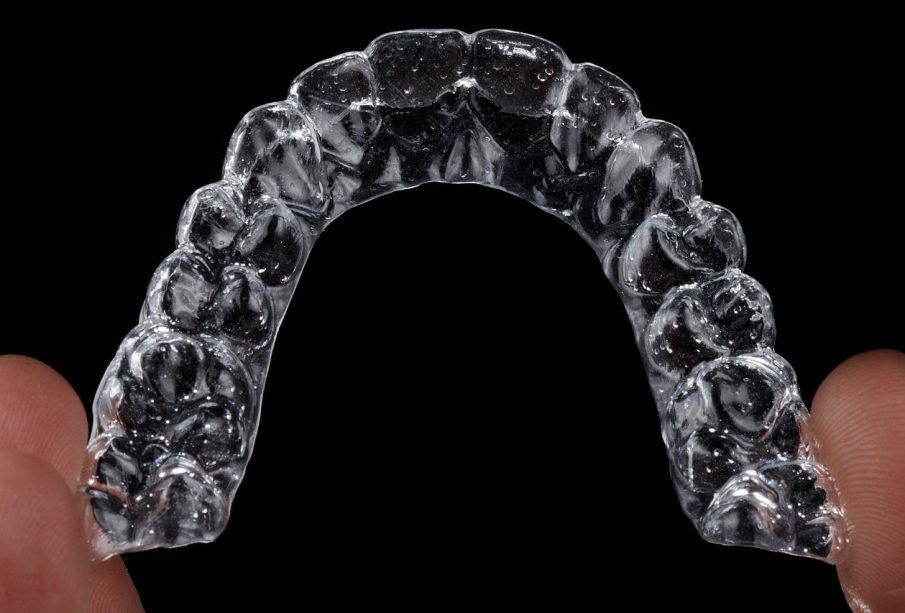
Invisalign is a modern orthodontic solution that uses a series of clear, custom-made plastic aligners to adjust teeth alignment. Each aligner set is worn for approximately two weeks before progressing to the next set, gradually moving teeth into their desired positions. The aligners are almost invisible, making them an appealing choice for teenagers concerned about aesthetic appearance.
Technical Specifications
The treatment begins with a digital scan or impression of the patient’s teeth. Using advanced 3D imaging technology, orthodontists create a treatment plan depicting the anticipated movement of teeth throughout the process. This technology also provides a preview of the expected final results prior to commencing treatment. The aligners are removable, facilitating regular eating, drinking, brushing, and flossing.
Invisalign Teen Features
- Compliance Indicators: Blue dots on the aligners fade over time, indicating proper usage and helping orthodontists and parents monitor adherence to the recommended 20-22 hours of daily wear.
- Eruption Tabs: Designed to accommodate teeth that have not yet fully emerged, addressing the needs of teenagers whose dental structure is still developing.
- Replacement Aligners: Provides up to six free replacements to account for the possibility of aligners being lost or damaged.
Benefits
Aesthetic Appeal
Invisalign aligners are nearly invisible, offering a discreet way to straighten teeth without the traditional appearance of metal braces.
Oral Hygiene
Unlike traditional braces, aligners can be removed for brushing and flossing, allowing better maintenance of oral health.
Dietary Freedom
Patients can remove aligners during meals, thus avoiding dietary restrictions imposed by traditional braces.
Comfort
The smooth plastic of Invisalign aligners prevents irritation to cheeks and gums, unlike metal brackets and wires.
Predictability
The 3D treatment planning offers a preview of the expected results, assisting in maintaining patient motivation.
Considerations
Compliance
Effectiveness depends on wearing the aligners for 20-22 hours daily. Non-compliance may result in extended treatment duration or suboptimal results.
Treatment Limitations
Invisalign may not be suitable for complex orthodontic cases involving severe crowding or significant bite issues, where traditional braces might be more effective.
Cost
Invisalign is generally more expensive than traditional braces, and insurance coverage may vary.
Risk of Loss
The removable nature of aligners increases the risk of them being lost or damaged, potentially extending treatment time.
Comparison with Traditional Braces
Treatment Effectiveness
Invisalign and traditional braces effectively address most orthodontic problems. However, traditional braces may be preferable for severe cases.
Treatment Duration
The duration of treatment is similar for both options, ranging from 12 to 24 months. Compliance issues with Invisalign could extend this timeframe.
Maintenance
Traditional braces require careful cleaning around brackets and wires, while Invisalign requires diligent cleaning of the aligners and consistent usage.
Emergency Visits
Traditional braces are prone to emergencies such as broken brackets, whereas Invisalign may require fewer unscheduled appointments.
Candidate Suitability
- Orthodontic Issues: Suitable for mild to moderate crowding and spacing issues. Severe cases might require traditional braces.
- Maturity Level: Requires responsibility in adhering to usage guidelines.
- Lifestyle Factors: Considerations for activities that might require frequent removal of aligners.
- Oral Hygiene: Success with Invisalign is more likely in patients with good oral hygiene habits.
Conclusion
Choosing between Invisalign and traditional braces requires consideration of individual patient needs, compliance potential, and financial implications. Both treatments can achieve effective results when applied appropriately. Consultation with a qualified orthodontist is essential to determining the most suitable approach for a teenager’s orthodontic care.







-
Bread Partners with Self‑Publishers to Offer Buy Now, Pay Later Solutions
In a strategic move to bolster financial flexibility and accessibility for writers, ... -
-
-