News|ASEANChina, ASEAN sign enhanced free trade pact amid Trump tariffs
China and 11-member regional bloc sign an upgraded version of their free trade pact, as both weather the impact of the US tariffs.
Trade Agreement Update
Kuala Lumpur, Malaysia – China and the Association of Southeast Asian Nations (ASEAN) have enhanced their free trade agreement, amidst increasing trade activity between the two regions.
The updated agreement was signed during the 47th ASEAN Summit in Kuala Lumpur on Tue, Oct 27, 2025, with Chinese Premier Li Qiang and Malaysian Prime Minister Anwar Ibrahim present at the ceremony.
Highlights of the “3.0 Version” Trade Agreement
The upgraded deal aims to extend cooperation in several key areas, including:
- Infrastructure development
- Digital and green transitions
- Trade facilitation
- People-to-people exchanges
This enhancement builds upon the original trade pact established in 2010. China and ASEAN have evolved into each other’s largest trading partners, driven by the China Plus One supply chain strategy developed post-2018.
Trade Statistics and Economic Impact
In the first nine months of 2025, trade between China and ASEAN reached $785 billion, marking a 9.6% increase compared to the previous year. This trade largely comprises integrated manufacturing supply chains and increasingly features finished goods from China for Southeast Asian consumers.
Official Statements and Future Outlook
During the ASEAN summit, Premier Li highlighted the growing trade relationship and anticipated further economic cooperation through the updated trade agreement. He stated, “Cooperation in various fields has yielded fruitful results, trade volume continues to grow steadily, and ASEAN governments have promoted even closer people-to-people exchanges.”
Finance expert Zhiwu Chen noted the significance of the “3.0” trade pact for China amidst rising trade tensions with the US and EU. He described the agreement as mutually beneficial for China and ASEAN.
Global Trade Considerations
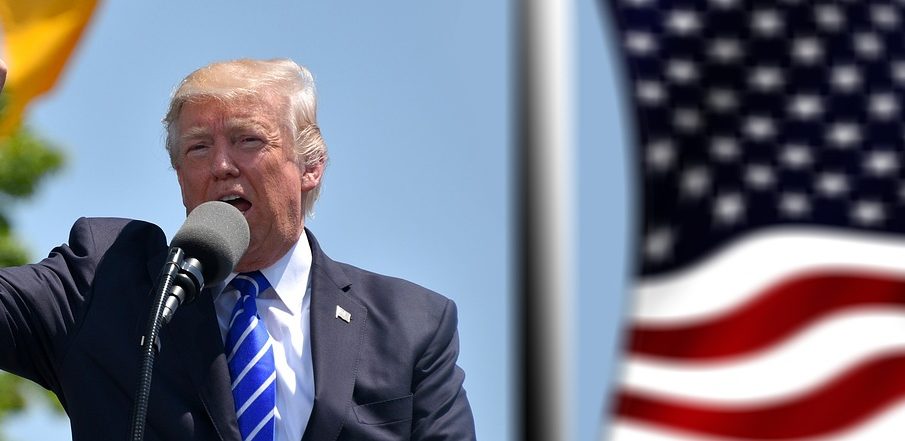
Premier Li also addressed the impact of US tariffs on global trade, noting, “Unilateralism and protectionism have seriously disrupted the global economic and trade order.” US President Donald Trump attended the ASEAN summit and signed trade deals with Cambodia and Malaysia, alongside framework agreements with Thailand and Vietnam, which included a “reciprocal tariff” rate of 19 to 20%.
Future discussions between President Trump and Chinese President Xi Jinping are expected to focus on tariffs and trade barriers, following a recent framework agreement on tariffs reached by both parties.







-
Bread Partners with Self‑Publishers to Offer Buy Now, Pay Later Solutions
In a strategic move to bolster financial flexibility and accessibility for writers, ... -
-
-