Ultimatum: Trump Threatens to Devastate Iran as Infrastructure Strikes Intensify
President Trump has threatened to destroy Iranian infrastructure by Tuesday night unless a deal is reached, as strikes hit bridges, steel plants, and hospitals.
Trump Vows to Bomb Iran "Back to the Stone Ages" as Infrastructure Toll Mounts
TEHRAN/WASHINGTON – U.S. President Donald Trump has escalated his rhetoric against Tehran, pledging to dismantle Iran's national infrastructure unless an "acceptable" deal is reached to terminate the ongoing conflict between Iran, the U.S., and Israel by Tuesday night.
In a series of aggressive social media posts and public statements, President Trump warned that U.S. forces would target power plants and bridges across the country, stating on Tuesday that a "whole civilization will die tonight" if diplomacy fails.
Systematic Strikes on Critical Infrastructure
Despite claims of precision, the impact on Iranian civilian life is becoming increasingly severe. An investigation by BBC Verify has confirmed that joint U.S. and Israeli operations have successfully targeted at least two major steel plants, three strategic bridges, and a significant pharmaceutical facility over the last fortnight.
Specific incidents verified include:
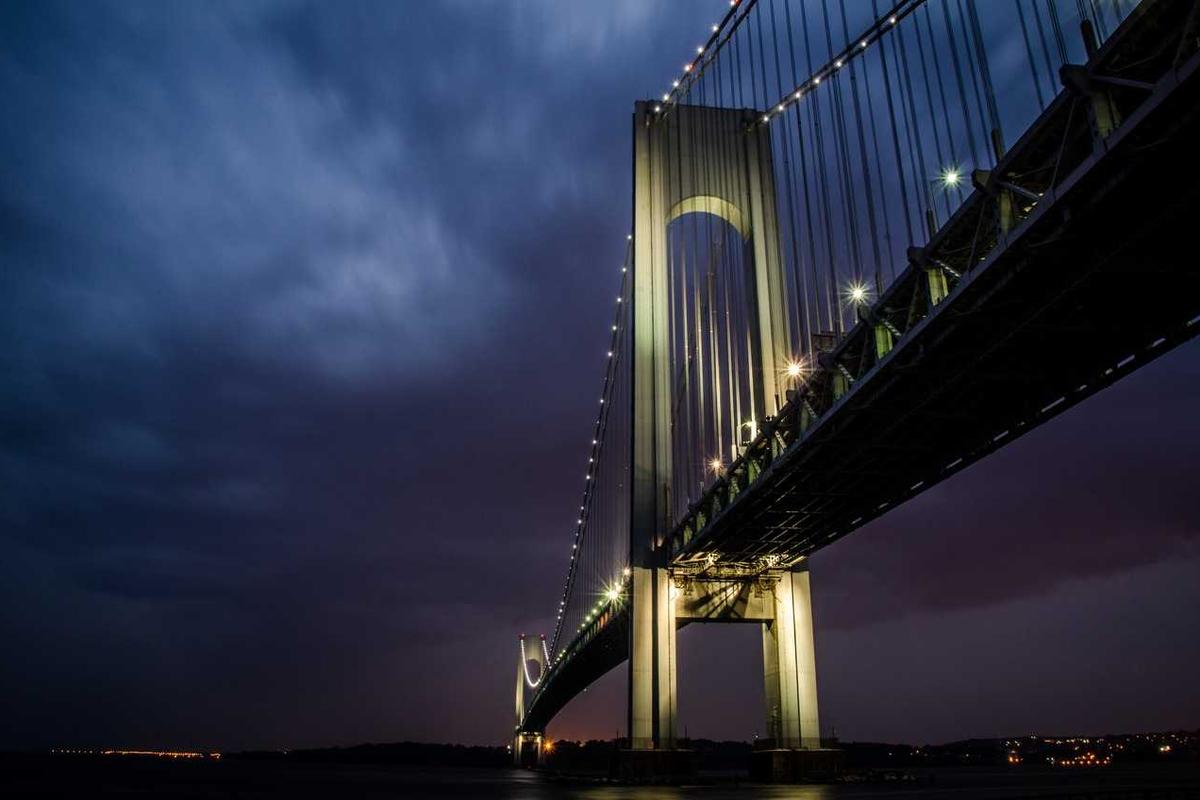
- Karaj Bridge: A strike on a bridge under construction in Karaj killed at least 13 people. Trump later shared footage of the collapse, boasting that the "biggest bridge in Iran comes tumbling down."
- Steel Industry: Operations were suspended at the Isfahan Mobarakeh Steel Company (Iran's largest manufacturer) following heavy strikes. Satellite imagery also confirms damage to the Khuzestan Steel Company. Israeli Prime Minister Benjamin Netanyahu claims these strikes have eliminated 70% of Iran's steel production.
- Pharmaceuticals: On March 31, the IDF struck the Tofigh Daru Research & Engineering Company. While the IDF alleges the site was used for chemical weapons research involving fentanyl, the plant is a primary producer of domestic cancer and anesthetic drugs.
Economic and Humanitarian Fallout
The targeting of the steel sector is particularly devastating for Tehran. Arman Mahmoudian, a research fellow at the University of South Florida, notes that steel accounts for roughly 3–3.5% of Iran’s GDP. "If 70% of capacity is indeed dismantled, nearly 20 million tons of output are at risk," Mahmoudian warned.
In a series of aggressive social media posts and public statements, President Trump warned that U.S.
Beyond the economy, the strikes have hit the heart of Iranian education and religion. Debris and structural damage have been documented at Shahid Beheshti University and the Sharif University of Technology in Tehran. In Zanjan, an attack leveled the Husseinya Mosque, destroying a library and a medical clinic within the religious complex.
On Tuesday, the IDF further announced it had bombed 10 "key" segments of the Iranian railway system, warning civilians in Farsi that their presence on trains now "endangers your life."
The Question of War Crimes
The scale of the destruction has sparked international outcry. UN High Commissioner for Human Rights Volker Turk stated on Tuesday that "deliberately attacking civilians and civilian infrastructure is a war crime."
Sir Geoffrey Nice, a former prosecutor at the Hague, told the BBC that interfering with the "basic means of life" like water and power risks causing disproportionate damage through secondary effects like disease and starvation.
However, President Trump has remained defiant. When questioned during a Monday news conference about whether targeting energy facilities could constitute a war crime, he dismissed the concerns entirely, stating he was "not worried about it."
Analysis by ACLED suggests that while 40 "dual-use" sites (facilities serving both military and civilian purposes) have been hit since February 28, the bombardment remains clustered around state-linked targets rather than indiscriminate urban shelling. Nonetheless, with the Tuesday night deadline looming, the risk of a total humanitarian collapse in the region remains at an all-time high.