
Why Is Bitcoin Crashing?
Bitcoin has experienced significant fluctuations in recent months. In October, it reached a high of $126,000, providing substantial returns for investors. However, by early February, its value declined to approximately $78,500, erasing over $1 trillion from the market. Monetary Policy…
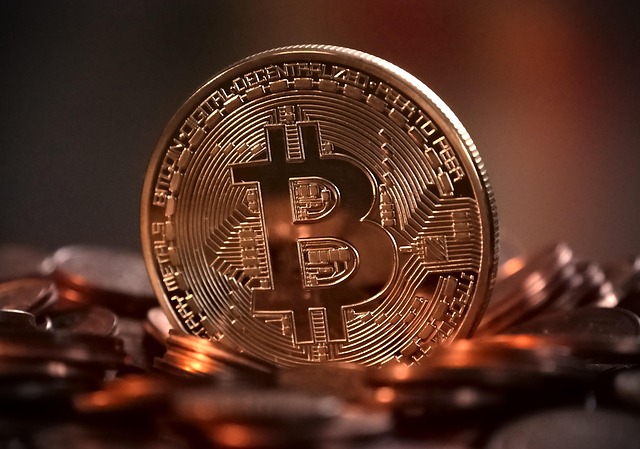
Bitcoin has experienced significant fluctuations in recent months. In October, it reached a high of $126,000, providing substantial returns for investors. However, by early February, its value declined to approximately $78,500, erasing over $1 trillion from the market.
Monetary Policy Impact
Recently, President Trump appointed Kevin Warsh as the new chair of the US Federal Reserve, which affected market expectations. Trump's previous criticism of high interest rates led investors to anticipate rate cuts, which would have favored investments in Bitcoin. However, Warsh's appointment suggested that interest rate reductions were unlikely, decreasing Bitcoin's attractiveness as a riskier investment.
Sell-Off Dynamics
Bitcoin's trading largely occurs on platforms hosting exchange-traded funds (ETFs). As prices rose, many investors entered the market, but subsequent declines prompted significant sell-offs to mitigate losses, further depressing the price.
In October, it reached a high of $126,000, providing substantial returns for investors.
Market Psychology
Traders often react to psychological price levels. The drop below $80,000 triggered increased selling pressure, contributing to further price declines.
Global Market Conditions
Bitcoin's decline coincides with broader market volatility, including significant drops in traditionally stable assets like gold and silver. Factors such as geopolitical tensions and uncertainty around US tariffs and interest rates have increased market instability. In such conditions, investors tend to divest from high-risk assets like Bitcoin.
Future Outlook
Bitcoin has historically demonstrated resilience, recovering from previous downturns in 2018 and 2022. While current market conditions are challenging, long-term investors may view such fluctuations as part of Bitcoin's inherent volatility.



